Understanding a Disc Bulge: A Physiotherapist’s Perspective

A disc bulge is a common spinal condition that can cause discomfort, stiffness, and nerve-related symptoms. As physiotherapists, we frequently see patients with this condition and help them manage their symptoms effectively through conservative, non-invasive treatments.
What is a Disc Bulge?
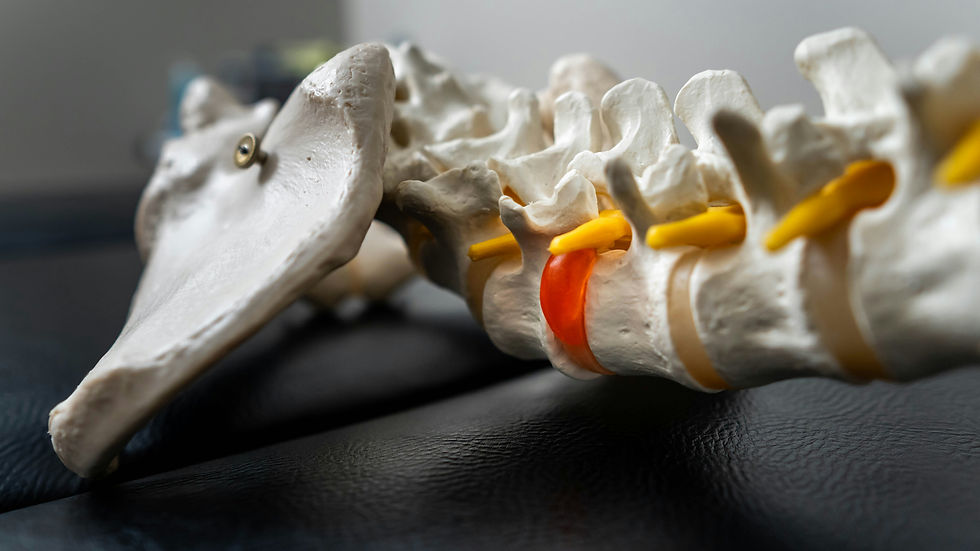
The spine consists of vertebrae separated by intervertebral discs, which act as shock absorbers and allow movement. Each disc has a tough outer layer (annulus fibrosus) and a gel-like inner core (nucleus pulposus). A disc bulge occurs when the disc's outer layer weakens, causing the inner core to push outward. Unlike a herniated disc, where the inner material leaks out, a bulging disc remains contained but can still put pressure on nearby nerves.

Common Causes of a Disc Bulge
Age-related Degeneration: Wear and tear over time can weaken the disc’s structure.
Poor Posture: Prolonged sitting, slouching, or improper lifting techniques increase stress on the spine.
Repetitive Movements: Activities involving heavy lifting, twisting, or bending can strain the discs.
Injury or Trauma: A sudden impact, such as a fall or accident, can lead to disc damage.
Weak Core Muscles: Insufficient support from the surrounding muscles can put extra strain on the spine.
Symptoms of a Disc Bulge
Localised Pain: Often in the lower back (lumbar spine) or neck (cervical spine).
Nerve-related Symptoms: Numbness, tingling, or weakness in the legs or arms if the bulge compresses a nerve.
Stiffness and Reduced Mobility: Difficulty bending or twisting due to discomfort.
Pain Aggravated by Certain Movements: Sitting, standing for long periods, or lifting may worsen symptoms.
Pain with pressure: pain with coughing or sneezing, or with a bowel movement.
Physiotherapy Management of a Disc Bulge

1. Pain Relief Strategies
Manual Therapy: Techniques such as spinal joint mobilisation, soft tissue massage, and dry needling may help alleviate muscle tension and improve mobility.
Postural Education: Teaching proper sitting, standing, and lifting techniques to reduce stress on the spine.
Heat or Cold Therapy: Applying heat relaxes tight muscles, while ice can help reduce inflammation.
2. Targeted Exercise Programs
Core Strengthening: Strengthening the abdominal and lower back muscles provides better spinal support.
Flexibility and Mobility Exercises: Stretching the hamstrings, hip flexors, and back muscles reduces stiffness.
McKenzie Method: A series of movements designed to relieve disc pressure and centralise pain.
3. Nerve Decompression and Movement Retraining
Neural Gliding Exercises: Helps relieve nerve irritation and improve mobility.
Progressive Loading: Gradual reintroduction of activities to prevent flare-ups while restoring strength.

4. Lifestyle Modifications and Prevention
Ergonomic Adjustments: Improving workstation setup to promote proper posture.
Weight Management: Maintaining a healthy weight reduces stress on the spine.
Regular Movement: Avoiding prolonged sitting and incorporating gentle mobility exercises throughout the day.
When to Seek Further Medical Attention
If symptoms persist despite conservative treatment, or if you experience severe nerve compression symptoms such as loss of bladder/bowel control, significant weakness, or unrelenting pain, seeking medical attention is crucial. In some cases, imaging (MRI) and specialist referral may be required.

Conclusion
A disc bulge can be effectively managed with physiotherapy, emphasising a combination of pain relief, exercise rehabilitation, and lifestyle modifications. With the right approach, many individuals recover and return to their usual activities without the need for invasive procedures.
If you are experiencing back pain or related symptoms, consulting a physiotherapist can provide a structured plan to help you regain function and improve your quality of life.


Comments