Sciatica: What It Is, What Causes It, and When to Seek Help!

If you have ever felt a sharp, shooting pain travelling from your lower back through your buttock and down your leg, you know how debilitating it can be. Simple tasks like tying your shoes, driving to work, or even sitting through dinner can become agony.

This condition is commonly known as sciatica. While it is one of the most frequent complaints seen in physiotherapy clinics, widespread misconceptions remain about what it actually is and the best way to resolve it.
What Exactly Is Sciatica?
Sciatica is not an injury in itself; it is a symptom of an underlying issue.
The sciatic nerve is the longest and thickest nerve in the human body. Originating from several nerve roots in your lumbar spine (lower back), it runs deep through your buttock, down the back of each leg, and branches out all the way to your feet.
When this nerve is compressed, stretched, or irritated near its origin, it causes radicular pain (pain that radiates along the path of the nerve).
Common symptoms include:
A sharp, burning, or electric-shock sensation radiating down the back of the thigh and calf.
Pins and needles, tingling, or numbness in the leg, ankle, or toes.
Pain that flares up with coughing, sneezing, prolonged sitting, or bending forward.
A feeling of weakness or heaviness in the leg, making it difficult to lift the front of your foot.
Common Causes of Sciatic Nerve Pain
The nerve roots in your spine can become irritated for several reasons:
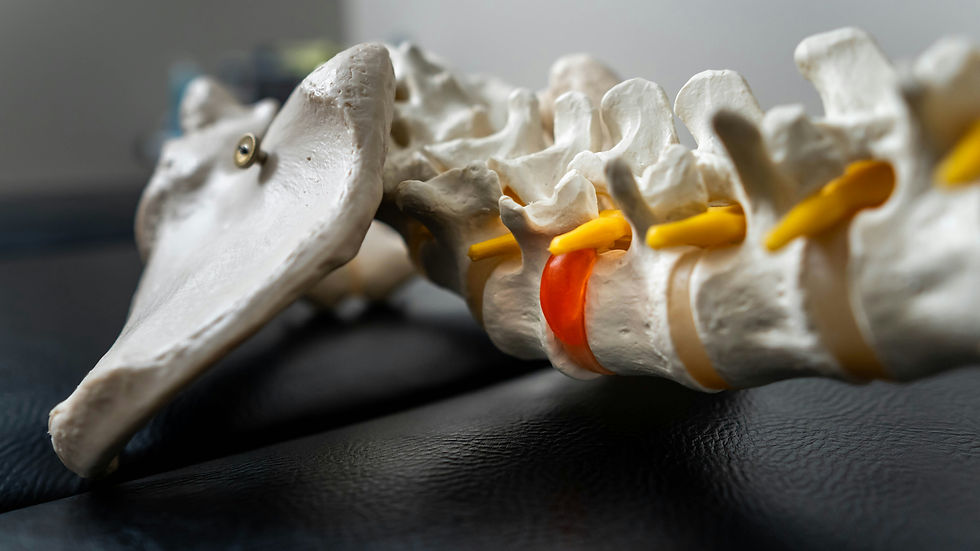
Lumbar Disc Bulge or Herniation
: The cushions (discs) between your spinal vertebrae can bulge or tear, pressing directly on the exiting nerve root or triggering local chemical inflammation that irritates it.
Spinal Stenosis: A narrowing of the spinal canal or exit passages (often linked to osteoarthritis or age-related changes), which reduces clearance space for the nerves.
Piriformis Syndrome: The piriformis muscle in the buttock sits right beside, and in some individuals, directly over the sciatic nerve. Muscle spasms, tightness, or trauma in this area can compress the nerve.
Spondylolisthesis: Occurs when one vertebra slips forward over the one below it, narrowing the space where the nerve exits the spinal column.
How Physiotherapy Treats Sciatica

The instinct to stay in bed until the pain goes away often backfires. While brief rest during the peak flare-up can help settle high irritability, prolonged bed rest often leads to stiffness, weakness, and delayed recovery.
A targeted physiotherapy program tackles the root cause of the irritation rather than just masking the symptoms:
Symptom Reduction & Decompression: Identifying specific directional preferences and resting postures (such as gentle extension or unloading positions) that relieve mechanical pressure on the nerve.
Neural Mobilisation: Gentle "nerve flossing" techniques that encourage the sciatic nerve to glide smoothly through surrounding soft tissues without aggravating irritation.
Manual Therapy & Soft Tissue Release: Releasing tension in the deep gluteal, hip flexor, and lower back muscles to take pressure off the neural pathways.
Spinal Stabilisation & Strength: Building endurance and control in the deep core, glutes, and lower back muscles to stabilise the spine and prevent future episodes.
Movement Retraining: Teaching optimal lifting mechanics, seated desk ergonomics, and everyday movement strategies to protect your back long-term.
Red Flags: When to Seek Immediate Medical Help
Most cases of sciatica improve significantly with conservative care. However, certain symptoms indicate severe nerve compression (such as Cauda Equina Syndrome) and require immediate emergency medical evaluation:
Loss of bowel or bladder control, or difficulty passing urine.
Numbness around your genitals, groin, or buttocks (known as "saddle anaesthesia").
Rapidly worsening weakness in both legs, or stumbling and falling because you cannot control your feet.
If you experience any of these red flag symptoms, go straight to the nearest hospital emergency department.
Take the First Step Toward Relief
Sciatica can make you feel powerless, but with an accurate assessment and a structured management plan, the vast majority of people return to normal, pain-free movement without surgery or heavy medication.
Struggling with shooting leg pain or stubborn back discomfort?
Book an assessment with our physiotherapy clinic today to start your recovery plan.

Tim Laxton
Senior Physiotherapist
Premium Physio & Health
Phone: 07 3048 1804
Website: www.premiumphysioandhealth.com.au



Comments